
As a construction management professional, you know that the landscape of construction projects is often filled with unexpected challenges. Not only do you have to meet deadlines and manage budgets, but you also need to mitigate risks associated with claims. One proven way to achieve this is effective tracking of your construction projects. Let’s explore how you can stay ahead of the curve and avoid getting caught off guard by a fast-moving project or an aggressive contractor.
1. Embrace Technology for Real-Time Updates
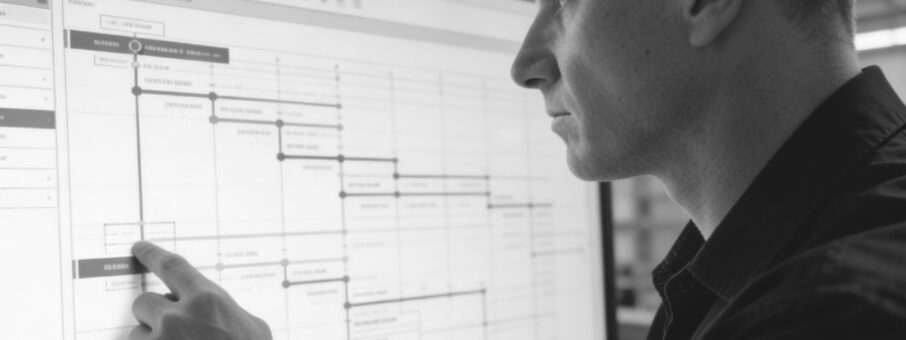
In today’s digital age, leveraging technology is non-negotiable. Utilizing project management software allows you to track progress in real time and gives you the ability to spot potential issues before they escalate. Look for tools that offer features like scheduling, budget tracking, and resource allocation. This not only keeps you informed but also provides a solid foundation for documenting any disputes or changes that may arise during the project.
2. Establish a Robust Communication Plan
Open and available lines of communication are essential in any construction project. Establish a communication plan that ensures all stakeholders are kept in the loop. This includes regular meetings with your team, subcontractors, and clients. Use these gatherings to discuss progress, address concerns, and set expectations. Keeping everyone informed reduces the likelihood of misunderstandings, which can lead to claims.

3. Document Everything
Documentation is your best friend in construction management. Ensure that you meticulously record decisions, changes, and communications throughout the project lifecycle. Use photographs, meeting notes, and change orders as supporting evidence. Should disputes arise, having a clear and comprehensive record can significantly bolster your position and help to resolve claims without unnecessary escalation.
4. Define Roles and Responsibilities Clearly
When your team is clear about their roles and responsibilities, projects run more smoothly. Clearly outline who is responsible for what and ensure that all team members understand their duties. This avoids confusion and minimizes the risk of errors that could lead to claims. Additionally, having designated point people for specific issues can streamline communication and facilitate quicker resolutions.
5. Monitor Project Milestones and Deadlines
Keeping a close watch on project milestones is crucial to manage expectations effectively and avoid claims. Establish a timeline with realistic deadlines, and monitor progress regularly. Should you notice any deviations from the schedule, address them immediately rather than waiting for problems to pile up. This proactive approach demonstrates your commitment to the project and helps maintain a positive relationship with your contractors and clients.
6. Foster a Culture of Collaboration and Transparency
Finally, cultivate a culture of collaboration and transparency among your team and stakeholders. Encouraging open dialogues about challenges not only builds trust but also helps foster a problem-solving mindset. When everyone feels empowered to voice concerns and suggest improvements, it leads to a more resilient approach that can adapt to rapid changes in project dynamics.
By effectively tracking your construction projects, you can greatly reduce the risk of claims and navigate the complexities of the construction landscape with confidence. Remember, the goal isn’t just to keep projects on track; it’s to build stronger relationships and enhance your reputation as a reliable construction management professional. With the right strategy, you’ll be poised to face even the most aggressive contractors head-on, ensuring your projects don't just succeed but thrive.